

In a world that celebrates fast growth, instant results, and viral metrics, it’s easy to feel like we’re always behind. Board members want immediate ROI. Peer groups highlight industry benchmarks. Owners compare this year to last year — or worse, to someone else’s “overnight success.”
But here’s the truth most seasoned leaders eventually learn:
“Up and to the Right” isn’t a destination. It’s a mindset.
It’s not about achieving perfection. It’s about pursuing progress. And doing so with enough discipline and perspective to see what’s working — and what’s not — before we overreact, abandon the plan, or blame the wrong things.
I. A Leader’s Most Powerful Coaching Tool
This mindset is one of the most powerful tools a leader has — especially in moments of tension, frustration, or doubt. It shifts the conversation from “Why aren’t we there yet?” to “Are we moving in the right direction?”
That’s not to say results don’t matter. They do. But they matter more when measured over time. And they matter most when aligned to the strategic vision and built on repeatable behaviors.
This is where scorecards, project metrics, and employee development plans become so valuable. They don’t just tell us where we are — they help us answer a better question:
Are we moving in the right direction?

When we are, we can celebrate. When we’re not, we can course-correct. But we should never confuse velocity for progress if we’re headed the wrong way.
II. Wisdom from Chris Brown
A longtime friend, former finance colleague, and gifted coach/mentor of mine, Chris Brown (yes, that’s his real name, not just a placeholder) had a knack for simplifying complex messages — especially when presenting numbers.
When the data wasn’t looking great — and he sensed the audience wasn’t fully absorbing the story — he’d pause and say, “Sorry, but I need to put my a$$hole hat on.” And then he’d deliver the message more bluntly. Simple, direct, respectful… but blunt. And always in service of clarity.
But Chris also knew when to celebrate — even small wins. During tough seasons when leads were scarce, cash was tight, or service tickets were piling up, Chris had a way of finding the signal in the noise. If we made positive progress, even just a little, he’d pull a quick chart together (he was great with numbers and graphs) and proudly declare:
“Up and to the Right… just like we’d like it to be.”
That was his way of honoring momentum — not perfection. A reminder that progress is worth recognizing, even if the work isn’t done yet.
Chris’s mantra was simple but profound:
If we’re heading in the right direction, we can always fine-tune speed and trajectory later. But if we’re pointed the wrong way — faster execution only magnifies the mistake.
That idea stuck.
III. Direction First. Then Speed.
This idea aligns perfectly with our earlier article on The SATs of Successful Project Planning — where we unpacked the importance of Strategy, Analysis, and Tactical execution, in that order.
Think of it like archery:
- Strategy sets the direction. Are we even aiming at the right target?
- Analysis dials in the angle and power. Do we have the right resources, timing, and alignment?
- Tactical execution releases the arrow. Fast. Clean. Precise.
But if you skip strategy — or aim too quickly — you might hit something… just not the thing that actually helps your business.
So before obsessing over how fast something is going, pause and ask:
Are we even pointed the right way?
IV. What Should Be “Up and to the Right”?
Not everything should trend upward. Some metrics (like project turnaround time or cost per unit) should go down as you improve. So let’s clarify what “up and to the right” really means:
It means momentum toward your defined goals — not arbitrary movement.
Here are examples of metrics that should generally increase over time:
- Revenue
- Gross Margin
- Customer Satisfaction Score (CSAT or NPS)
- Project On-Time Percentage
- Employee Retention Rate
- Referral Rates
- Client Engagement or Utilization
- Average Deal Size
- Training or Certification Levels
If your business metrics are designed well and monitored frequently, you’ll be able to identify positive trends early and lean into what’s working.
And yes, some weeks you’ll have setbacks. Some quarters will be tough. But the mindset remains:
Is this improving over time — and if not, do we know why?
V. Celebrate Progress, Coach Through Setbacks
When you see a team moving the needle in the right direction — even if results aren’t yet ideal — celebrate that. Build morale. Encourage iteration. Show them the graph. Say the words: “Up and to the Right.”
But when results stagnate or decline, don’t rush to panic. Instead:
- Revisit the vision
- Challenge the assumptions
- Ask better questions
Most importantly, lead like a coach. A good coach doesn’t expect every player to perform at their peak all the time. But they do expect improvement, engagement, and self-awareness.
VI. Beware Perfectionism. Embrace the 80/20 Perspective.
As teams and scorecards get more complex, leaders must resist the urge to demand perfection from every metric. That’s not realistic — and it often backfires.
Instead, apply the 80/20 mindset:
- Not every metric will trend upward every week.
- But across departments and timeframes, the overall direction should be up.
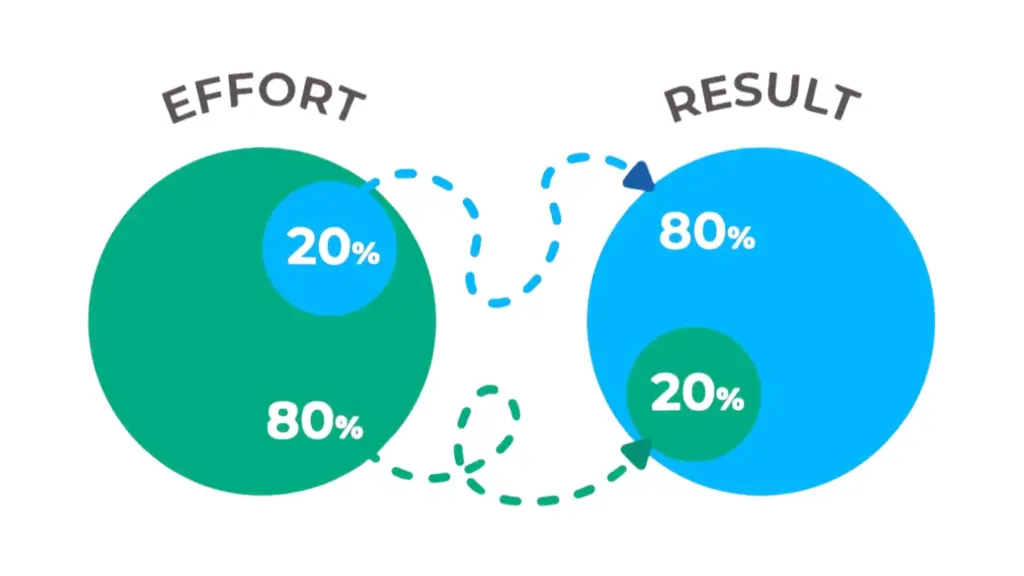
If a department has 10 metrics and 7 are improving while 3 are flat or declining, that’s still positive momentum. Use that to build energy and solve problems — not create fear or blame.
Progress over perfection. Direction over noise.
VII. What Gets Measured Gets Managed
That famous quote — often attributed to Peter Drucker — reminds us that what we choose to measure shapes our focus, behaviors, and outcomes.
So be intentional about your metrics. Make sure they’re clear, relevant, and reviewed regularly. And then use them to coach, not just critique.
Final Thought
Leaders who embrace the Up and to the Right mindset create healthier cultures. They build trust. They inspire momentum. And they give their teams permission to grow — not just grind.
In a world obsessed with short-term wins and constant comparison, it’s a refreshing shift.
Not everything will go right every time.
But when the trend is Up and to the Right — keep going.
You’re on the right path.