TL;DR
- Cloud computing provides on-demand IT resources over the internet.
- With edge computing, data is processed near its source instead of far-off cloud servers, allowing faster responses and reduced latency.
- Key benefits of cloud computing include:
- Scalability
- Pay-as-you-go pricing model
- Access from anywhere
- Automatic updates
- Built-in backup
- Key benefits of edge computing include:
- Real-time data processing
- Also works without internet
- Lower latency
- Ideal for large IoT setups
- The future of business lies in using the hybrid approach of cloud computing and edge computing. Cloud offers huge scalability, whereas edge ensures efficient bandwidth usage.
Edge vs. Cloud: Where the Future of Fast Data Is Headed
The way businesses manage and move data is changing faster than most people realize. Google now handles more than 8.5 billion searches every single day, and Instagram has over 2 billion monthly active users who expect instant responses. The pressure today is not only about handling massive volumes of information but also about delivering answers in milliseconds and protecting organizations (like banks) from ransomware attacks.
That level of speed is impossible when everything is sent to distant data centers and processed after long delays. This is why the computing world has shifted toward two powerful models: edge computing and cloud computing. Each approach is built to support real-time performance and heavy data workloads.
In this blog, we will break down the essentials of edge computing vs cloud computing, explain how each one operates, outline the types of challenges they solve, and help you understand when each approach is the best fit for your business.
What is Cloud Computing?
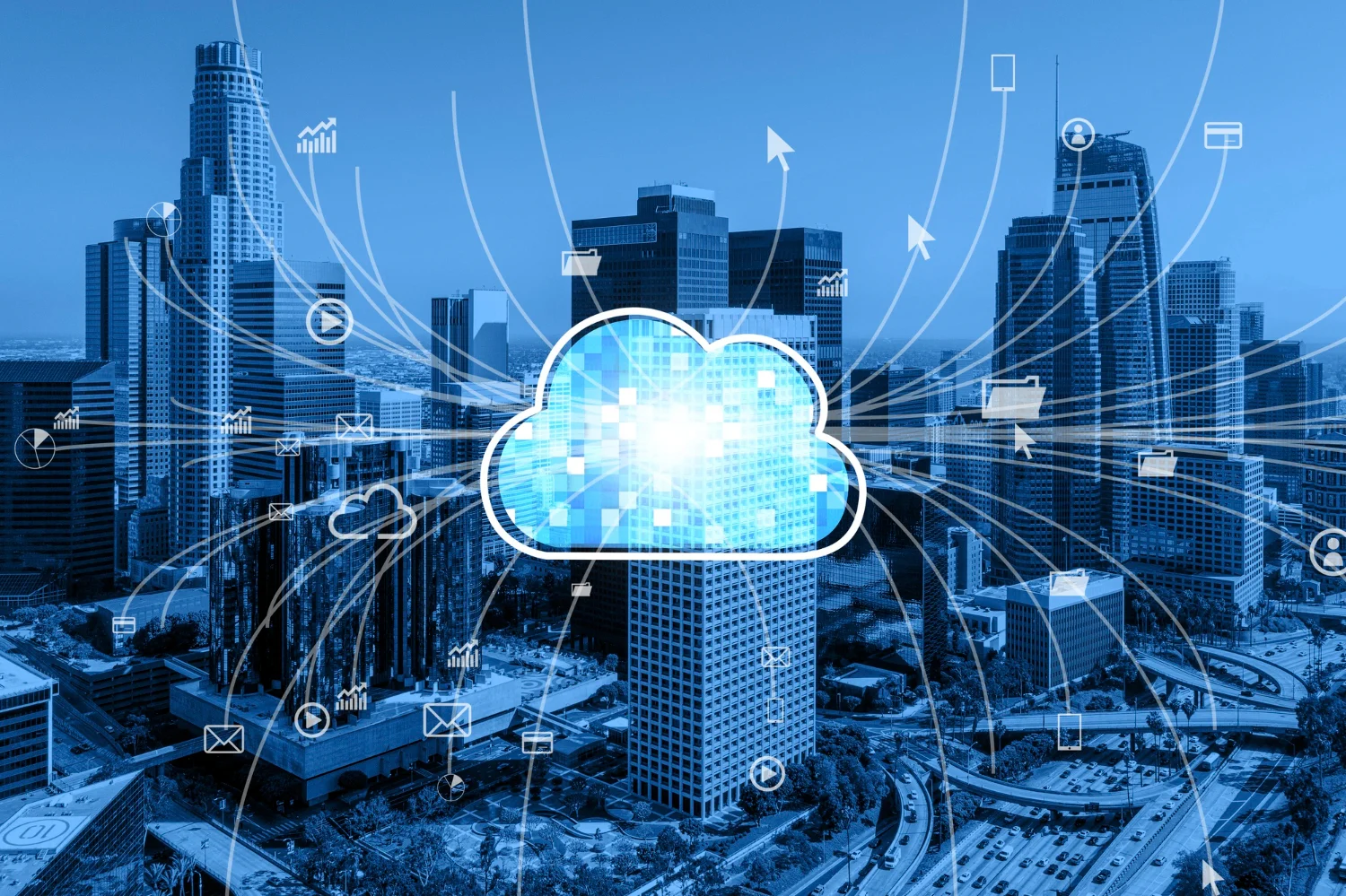
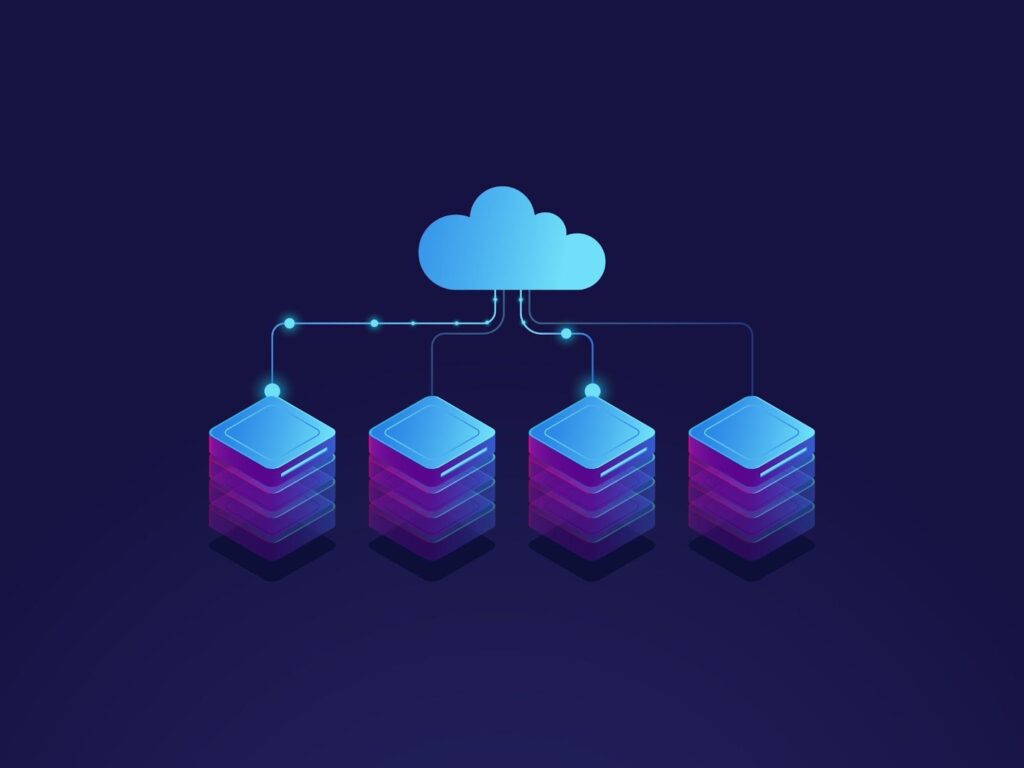
Cloud computing provides on-demand IT resources like servers, storage, databases, and software through the internet. You only use what you need, pay for what you consume, and can scale instantly without investing in physical hardware. Most cloud environments fall into three main deployment models:
- Public Cloud: It is run by third-party or external providers who supply computing resources online.
- Private Cloud: It can run in an on-site datacenter or be hosted by a third-party provider, but all services and infrastructure stay on a private network.
- Hybrid Cloud: Hybrid clouds use both public and private cloud setups, allowing data and apps to move freely.
Cloud computing services fall into four major categories:
- IaaS (Infrastructure as a Service): Provides on-demand virtualized servers, storage, and networking resources.
- PaaS (Platform as a Service): A ready-to-use platform for developers to build, test, and put out applications without managing underlying hardware.
- SaaS (Software as a Service): Delivers completely managed applications over the internet on a subscription basis, with hosting, updates, and maintenance handled by the provider.
- Serverless Computing: Automatically manages infrastructure and scaling behind the scenes, allowing developers to run code on demand without provisioning or maintaining servers.
What is Edge Computing?
Edge computing processes data close to its source, at the network’s edge. This means the processing happens physically near the device instead of relying on distant cloud or origin servers. Only essential information is sent back to a central data center, which reduces latency, cuts bandwidth usage, and speeds up decision-making. The workload is distributed across multiple devices, such as:
- Internet of Things (IoT) devices
- Smart sensors
- Gateways
- Local servers
These edge devices evaluate data in real time, determine which information needs immediate action, and decide what to store or send to the cloud.
How Both Models Evolved With Modern Business Needs
The future of cloud computing vs edge computing isn’t about choosing one or the other. It’s about using both in smarter, more intentional ways. Companies have learned that relying only on the cloud creates risk, cost, and performance issues, especially as data volumes spike.
This is where edge computing strengthens the strategy. CDNs were among the first to embrace this model, but today most businesses benefit from a balanced mix of cloud and edge.
Take IoT devices, security cameras, and sensors. They generate massive streams of data that are impractical to send entirely to the cloud. Instead, process what you can locally and send only what matters. For example, a security camera can analyze footage on-site and alert the cloud only when it detects unusual activity.
Also Read: Top Cloud Security Challenges in 2026: Risks and Solutions
How Their Architectures and Data Processing Models Differ
| Aspect | Cloud Computing | Edge Computing |
| Where Data Is Processed and Stored | In centralized data centers that can be hundreds or thousands of miles away from the end user | Right at or near the source, such as in local servers, IoT devices, cell towers, or regional micro data centers. |
| Latency and Speed Differences | Higher latency (typically 50-100+ milliseconds) because data travels long distances. | Ultra-low latency (1-10 milliseconds) since data doesn’t travel far. |
| Connectivity and Bandwidth Requirements | Requires a stable, high-bandwidth internet connection. | Minimal bandwidth needs since most processing happens locally. |
| Scalability and Resource Flexibility | Virtually unlimited scalability. | Limited by local hardware capacity. Scaling means physically deploying more edge devices or servers. |
Benefits of Edge Computing vs Cloud Computing
Cloud computing helps you scale, save costs, and access everything from anywhere without managing hardware, whereas edge computing brings processing closer to where data is created, giving you faster performance and better control.
Key Benefits of Cloud Computing
- Scale instantly with no physical servers.
- Pay only for the resources you use.
- Access apps and data from any device.
- Automatic updates and maintenance included.
- Built-in backup and disaster recovery.
Key Benefits of Edge Computing
- Real-time, ultra-fast responses.
- Works even with poor or no internet.
- Reduces bandwidth and cloud usage.
- Keeps sensitive data local for better privacy.
- Ideal for large IoT setups with many devices.
How Both Models Complement Each Other
Edge computing and cloud computing together contribute to a computing continuum where the workload splits intelligently. Cloud gives you massive power, storage, and long-term processing. Edge handles instant decisions close to where data is created.
Here’s how both models complement each other:
- Faster responses: Edge handles real-time actions while the cloud manages deeper analysis.
- Reduced load on the cloud: Edge filters raw data so only useful information is sent to the cloud.
- Lower latency: Local edge processing cuts delays; cloud steps in for heavy tasks.
- Better reliability: If the network drops, the edge keeps things running until the cloud syncs.
- Scalable + efficient: Cloud offers huge scalability; edge ensures efficient bandwidth usage.
- Smarter decisions: Edge makes quick calls, and the cloud provides long-term insights from big data.
Choosing Between Edge and Cloud Computing
Choose edge computing when you need real-time processing and ultra-low latency. Choose cloud computing when scalability is the priority, especially for growing teams that benefit from shared resources and easy collaboration.
Common Edge Computing Use Cases
- Retail shops use in-store cameras and sensors to analyze foot traffic in real time.
- Restaurants rely on POS systems that keep working even during internet outages.
- Service businesses use on-site sensors for instant equipment alerts.
- Small manufacturers use edge devices for real-time machine monitoring.
Common Cloud Computing Use Cases
- Businesses use cloud tools like CRMs, accounting software, and project management apps.
- Files and backups are stored securely with services like Google Drive or Dropbox.
- Marketing, sales, and customer portals run on scalable cloud platforms.
- Salons, gyms, and service providers use cloud-based booking and scheduling systems.
Also Read: Know about Cloud Computing in 5 Minutes
Conclusions
Edge computing and cloud computing are not an either–or decision. Each solves a different problem, and together they give small and mid-sized businesses the best of both worlds. Cloud delivers flexibility, scalability, and deep data analysis. Edge brings the immediacy and resilience modern operations depend on. When you blend both, you reduce lag, avoid unnecessary cloud spend, strengthen security, and create an IT environment that supports growth instead of slowing it down.
For nearly thirty years, Imagine IT has helped organizations make sense of this evolving landscape. Our role goes beyond troubleshooting. We partner with your team, get to know how your business runs, and build an IT foundation that feels predictable, secure, and supportive.
If you’re ready for an IT experience that feels more like a strategic advantage than a burden, we’re here to help.
Get in touch:
Toll Free: 866.978.3600
FAQs
Q1. Is edge computing replacing cloud computing in modern IT environments?
Ans. No, both models complement each other and can operate as a hybrid approach in modern IT environments. Both these technologies have different features and purposes and thus can’t be used interchangeably.
Q2. How does 5G technology impact edge computing adoption?
Ans. Adoption of 5G networks increases the adoption of mobile edge computing to get deeper insights, improved customer experiences, and quicker responses with comprehensive data analysis.
Q3. How much does it cost to deploy an edge computing setup?
Ans. On average, it costs around USD 10,000 – 50,000 upfront to deploy an edge computing setup. It includes various components of edge computing costs, such as hardware costs, software costs, network costs, deployment, installation, operational costs, maintenance, and security costs, etc.
Q4. Can small businesses benefit from edge computing, or is it mainly for enterprises?
Ans. Yes, small businesses can use compact edge devices for faster processing, real-time insights, better reliability, and reduced cloud costs. Even simple use cases like point-of-sale analytics, security cameras, inventory tracking, or local automation become more efficient with edge computing.