
TL;DR
- SMBs face increased cyber threats, outages, and the risk of human error.
- IT risk mitigation helps companies minimize vulnerabilities and maintain uptime.
- The major causes of downtime among SMBs are cyberattacks and unpatched systems.
- Managed IT services minimize security threats through active monitoring and multi-layered protection.
- The long-term plans enhance resiliency and protect businesses against future disruptions.
- The article presents the fundamental IT risks SMBs should be aware of and the real-life measures to ensure their business is not exposed to cyber threats.
Intro:
Small and mid-sized businesses (SMBs) often face an increased risk of cybersecurity threats, system downtime, and operational disruptions. Even if the budgets are limited and internal teams are lean, a brief outage may interfere with the revenues, productivity, and customer relations. Proper IT risk mitigation helps businesses minimize vulnerabilities and remain resilient in the face of rapidly evolving threats. This article describes the most prevalent threats SMBs face and the mitigation measures that can prevent downtime and cyberattacks.
What Is IT Risk Mitigation?
IT risk mitigation is the procedure and plan of action to reduce the vulnerability of a company’s technological setup. It helps prevent the harm caused by cyberattacks, failures, misconfigurations, and system failures by detecting threats at an early stage and enforcing measures that keep the system online. Mitigation is a combination of security policies, technical security measures, monitoring, and user awareness that creates a reliable IT environment.
The role of risk mitigation in IT security cannot be overstated for SMBs, as attackers are increasingly targeting small enterprises. In fact, 61% of SMBs were hit by a cyberattack in 2021, according to Verizon’s Data Breach Investigations Report.
Early intervention will help minimize small cases from escalating into incidents that put the business in shutdown. It also allows the business to maintain continuity in the long term, as it enhances the organization’s capacity to be adaptive and responsive to threats before damage is caused.
Common IT Risks Faced by SMBs
SMBs face various IT threats that may lead to downtime, financial losses, and security breaches. These are the most frequent threats that they have to deal with.
1. Cybersecurity Threats
Common attacks on SMBs include malware, ransomware, phishing emails, and credential theft. These attacks can encrypt systems, steal sensitive information, or even close down operations altogether. Strengthening controls helps protect business from cyber threats and minimizes the impact.
2. System Failures and Hardware Issues
Old servers, broken hard disks, outdated network equipment, or overheated equipment can cause abrupt shutdowns. Due to a lack of redundancy and monitoring, recovery may take hours or days and affect critical operations.
3. Human Error
Misplaced deletions of files, weak passwords, improper system settings, or phishing links are significant causes of breaches. As the employees handle several tasks, they are more likely to make unintentional errors, which can be avoided through training.
4. Software Vulnerabilities and Unpatched Systems
Unpatched operating systems, outdated applications and software, and similar issues create critical entry points for attackers. According to reports, 57% of data breaches are due to unpatched vulnerabilities. Periodic patching eliminates these vulnerabilities and helps prevent IT downtime.
5. Natural Disasters and Power Outages
Storms, grid failures, and fires may damage equipment or block access to important systems. Teams might not recover quickly after such disasters without having proper backups and continuity plans.
How Managed IT Services Mitigate Security Risks?
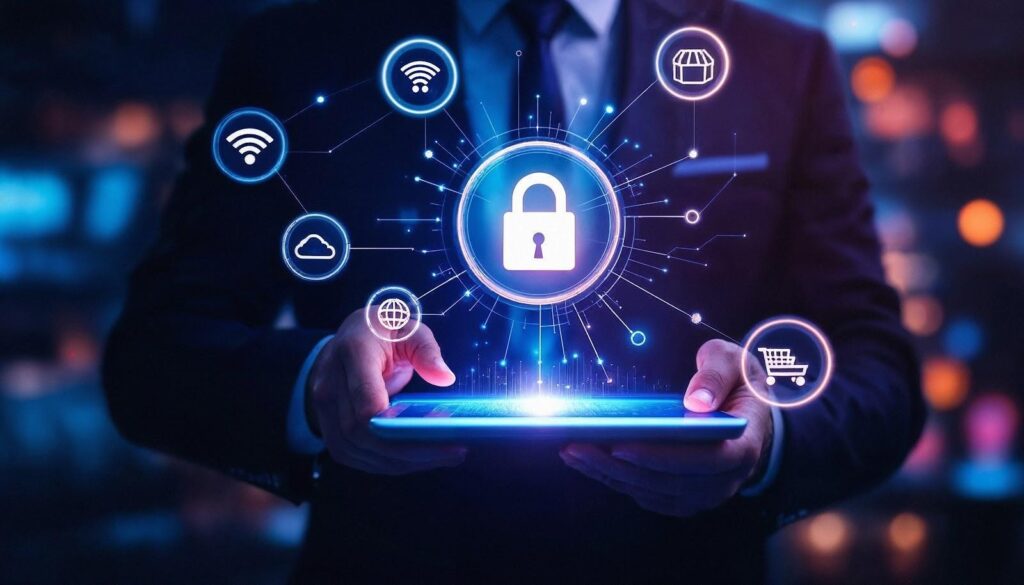
Managed IT services are essential for mitigating vulnerabilities and enhancing SMB cybersecurity. This is the point at which professional MSP cybersecurity solutions are required to raise business security, reduce the risk of operations, and speed up the response to get more stable IT functioning.
An outsourced managed service provider (MSP) offers continuous security that in-house teams cannot afford on their own. So, here’s how security risks mitigated by managed IT:
- 24/7 monitoring and early threat detection
- Real-time alerts for suspicious activity
- Automated patching and system updates
- Network monitoring and performance optimization
- Comprehensive backups and disaster recovery planning
- Layered cybersecurity tools, like firewalls, endpoint security, and email filtering
Essential IT Risk Mitigation Strategies for SMBs
SMBs must emphasize the basic IT risk mitigation measures to remain safe.
1. Implement Strong Cybersecurity Tools
Threats are blocked by firewalls, endpoint protection, email filters, DNS filters, and secure Wi-Fi before they reach the network.
2. Regular Data Backup and Disaster Recovery Planning
Versioned backups, off-site copies, and cloud storage together provide the capability of a quick data recovery in case of a cyberattack or a hardware failure.
3. Patch Management and System Updates
Performing operating systems, applications and firmware updates to seal the vulnerabilities and enhance system stability.
4. Access Control & Identity Management
Role-based access controls, strong passwords, and MFA reduce the risk of unauthorized access or intra-organizational abuse.
5. Employee Cyber Awareness Training
Use training to make employees more aware of phishing and the unnecessary use of links, as well as unsafe data processing, to reduce the risk of human error.
6. Business Continuity Planning
A good continuity plan enables quick recovery after outages, disasters, and cyberattacks.
Building a Long-Term IT Risk Management Plan
The reduction of risks in the long term should be consistent and evaluated continuously. This is where a long-term IT risk management plan needs to be developed to benefit SMBs. It must include the following:
- Regular IT and cybersecurity risk assessments
- Documentation of policies and procedures
- Quarterly technology and security reviews
- Consistent patching and vulnerability management
- Continuous improvement across systems and user behavior
An extended plan strengthens SMB cybersecurity solutions, slows the rate of system failures, and provides assurance that the organization is always prepared for new threats.
Conclusion
Small and medium-sized businesses (SMBs) aiming to stay resilient, secure, and competitive must consider the value of an effective IT risk mitigation strategy. By following best practices, enterprises can minimize the risk of cyber threats and business-interrupting attacks without spending an arm and a leg on reactionary measures.
As a mature managed care provider, Imagine IT will assist SMBs to stay safe and ready to take on impending changes with its advanced cybersecurity solutions.
FAQs
Q1. Is cyber insurance necessary if I already have IT risk mitigation strategies in place?
Ans. Yes. What is so significant about cyber insurance is that it compensates for lost money, lawsuits, and recovery costs that technical controls may not prevent. It provides additional protection for the business.
Q2. How often should SMBs conduct IT risk assessments?
Ans. Experts suggest that SMBs should conduct a formal risk assessment at least once a year and more frequently (e.g., quarterly) after a significant IT change.
Q3. What industries require stricter IT risk mitigation measures?
Ans. The most regulated areas, such as healthcare, finance, and critical infrastructure, might require periodic evaluation due to compliance requirements and the extent of risk.
Q4. Can remote or hybrid teams increase IT security risks?
Ans. Yes, the downsides of working from home include unprotected home networks, weak endpoint security, and phishing. These are mitigated by effective identity management and secure access tools.
Q5. Does IT risk mitigation include physical security?
Ans. Absolutely. IT risk management covers both the physical and cyber aspects of mitigating risks, including access controls to data centres, device security, and environmental collapse or theft.
