Ransomware Attacks on Banks in 2025: Risks, Impact and Protection Strategies
TL;DR
- Ransomware is a type of malicious software that blocks access to computer systems, files, or data until a ransom is paid.
- Ransomware has become one of the most damaging cyber threats for banks.
- For a bank, even a single incident can interrupt services, cause financial losses, affect millions of customers and cause damage to reputation.
- Common types of ransomware attacks include: file-encrypting, locker, master boot record, doxware, ransomware-as-a-service
- Banks can reduce ransomware risks by using multi-layered security, training employees, keeping systems patched, and enforcing strict access controls. They should also back up critical data, monitor for threats with advanced detection tools, and have a tested incident response plan ready.
The Growing Risk of Ransomware in the Banking Sector
Ransomware has become a major cybersecurity challenge for the banking sector in 2025. As one of the fastest-growing forms of financial institution cyberattacks, it is becoming more frequent, more sophisticated, and far more damaging, putting financial institutions under constant pressure to protect their systems and customer data.
Since banks handle millions of daily transactions and sensitive customer data, even a single ransomware attack on a bank can slow down services, cause heavy financial losses and damage customer trust. Cybercriminals are now utilizing tools such as artificial intelligence (AI) and Ransomware-as-a-Service (RaaS) to conduct highly targeted attacks.
A recent federal report highlighted by CNBC revealed that U.S. banks processed an estimated $1.2 billion in payments linked to ransomware.
This article examines the impact of ransomware on banks, the various types of attacks employed, the risks they pose, and the steps banks can take to protect themselves and mitigate damage in the event of an attack.
What is Ransomware?
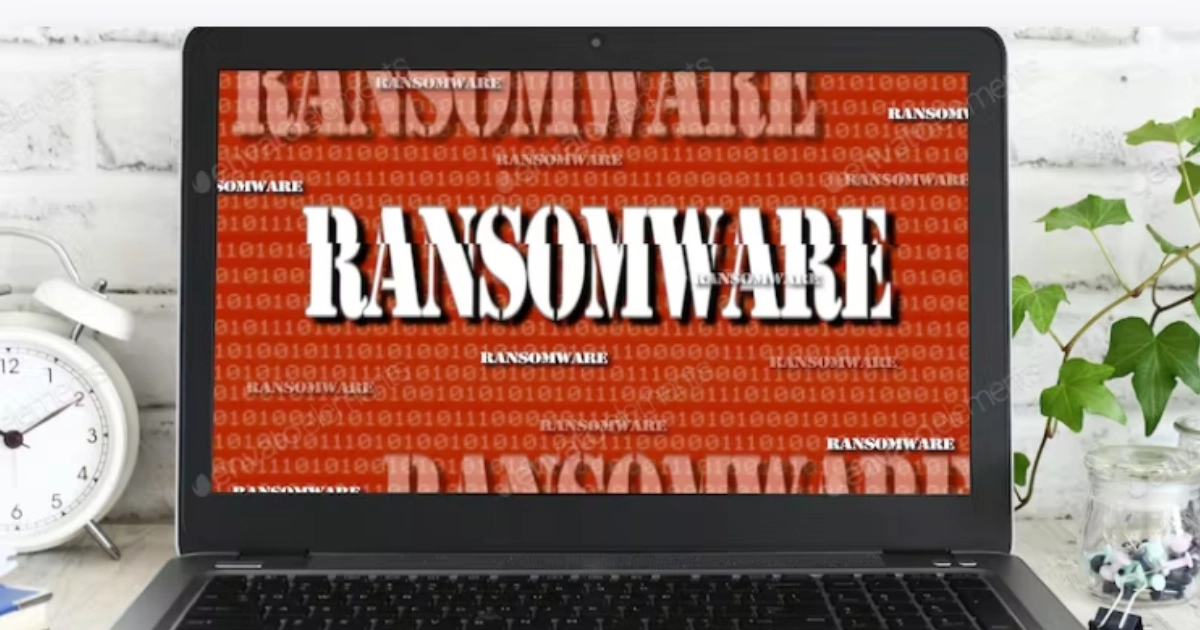
Ransomware is a type of malicious software that blocks access to computer systems, files, or data until a ransom is paid, typically in cryptocurrency. Ransomware attacks can occur through email, infected websites, or vulnerable software.
It’s a growing threat targeting individuals, businesses, and government organizations, causing significant financial and reputational damage.
The best defence against ransomware is prevention, including employee training, security measures, and regular data backups. In the event of an attack, a response plan should be in place, including isolating infected systems and communicating with law enforcement.
Ransomware Attacks on Banks: Common Types and Risks
Ransomware has become one of the most damaging cyber threats for banks. These attacks block access to important systems or sensitive data until a ransom is paid, causing major disruptions to services.
To defend against these threats, banks must first understand the different forms ransomware can take. Below are some of the most common types of ransomware attacks:
- File-Encrypting Ransomware: This is one of the most common forms of bank ransomware as it locks important files and demands payment for access.
- Locker Ransomware: Locker ransomware, also known as screen locker ransomware, locks the victim out of their computer or mobile device and demands payment to regain access.
- Master Boot Record (MBR) Ransomware: MBR ransomware targets the boot sector of the victim’s hard drive, preventing the computer from booting up until a ransom is paid.
- Doxware: Doxware, or leakware, threatens to publish sensitive data or documents unless a ransom is paid.
- Ransomware-as-a-service (RaaS): Attackers use RaaS to rent or buy ransomware tools and launch attacks. This makes it easier for non-technical criminals to conduct ransomware attacks.
Impact of Ransomware Attacks on Banks
Ransomware attacks are among the most disruptive threats banks face today. Apart from the ransom itself, these incidents can slow down essential operations, compromise customer data and lead to regulatory and reputational consequences that last long after the attack.
Some of the most common impacts include:
- Service Disruption: When systems are locked, banks may be unable to process payments, run online services, or provide customers with access to their accounts. Even a short outage can lead to major losses and shaken customer confidence.
- Financial Losses: The cost of ransomware goes far beyond the ransom itself. Banks spend heavily on recovery, system repairs and compliance. In 2025, the average loss of banking ransomware is estimated at over $6 million, making it one of the most expensive threats to financial institutions today.
- Reputational Damage: Customers trust banks with their most sensitive financial data. A ransomware breach can severely erode this trust, leading to customer dissatisfaction, negative media coverage, and potential business loss.
- Data Loss and Exposure: In some cases, encrypted or stolen data may never be fully recovered. If attackers leak sensitive information, it could harm customers and expose the bank to further liabilities.
Knowing how to minimize the impact of ransomware is very important for every financial institution.
How to Protect Against Ransomware Attacks
Banks are prime targets for ransomware attacks because of the sensitive data they hold and the services they provide.
Effective bank ransomware protection requires a complete strategy that combines technology, people and planning. The aim should be to prevent attacks before they occur, detect them promptly, and recover without significant losses. Here are some measures every bank should take:
- Implement Strong Security Measures: Use a multi-layered security approach with firewalls, anti-virus software, and intrusion detection systems.
- Conduct regular employee training: Train all employees to be aware of the risks of ransomware and how to avoid them. They should be familiar with the best practices for security, such as not clicking on suspicious links, downloading attachments from unknown sources, and opening unexpected emails.
- Keep software and systems up-to-date: Banks must ensure that all software and systems are up-to-date with the latest security patches. It’s crucial because ransomware can exploit vulnerabilities in outdated software.
- Develop and test a response plan: Have a response plan in place to deal with ransomware attacks. The plan should include isolating infected systems and communications with law enforcement. Test the plan to ensure it works and is effective.
- Regularly back up critical data: Ensure all critical data is regularly backed up to a secure offsite location. This is important to prevent data loss and ensure the bank can continue operating even in the event of an attack.
- Monitor and detect threats: Use security software and professionals to monitor and detect threats. This will help the bank to identify and respond to potential ransomware attacks in a timely manner.
- Use advanced threat detection: Modern ransomware is more sophisticated, so banks should rely on advanced solutions that use AI, machine learning and behavioural analysis to identify and block attacks early.
- Limit access to sensitive data: Apply strict access controls so only authorized staff can reach sensitive systems. This reduces the potential damage if an attacker gains entry.
Conclusion
Ransomware attacks on banks are no longer rare events. They are happening more often, and the cost of recovery is climbing every year. A single attack can freeze transactions, lock customers out of their accounts and damage hard-earned trust. For banks, the real challenge is not only stopping these attacks but also being prepared to recover quickly when they strike.
Strong protection requires a complete approach, which means not relying on basic tools but creating layered security at every level of protection. However, the bank needs more than in-house efforts. They need a trusted technology partner who can strengthen defences, respond fast and keep required services running.
Imagine IT helps banks and financial institutions build the layered security they need to stay safe. Our expert managed IT support services across the Midwest are designed to protect against ransomware, phishing and other cyber threats while ensuring your systems run smoothly.
Our technicians operate within both local and industry contexts to ensure you receive the best security approach.
Corporate Headquarters: 952-905-3700
Frequently Asked Questions (FAQs)
Q1. What is a ransomware attack on banks?
Ans. A ransomware attack on banks occurs when hackers block access to banking systems or data and demand payment to restore it. These attacks can disrupt services, leak sensitive information and cause financial losses.
Q2. What should a bank do if it experiences a ransomware attack?
Ans. If a bank is hit by a ransomware attack, the first step is to isolate the affected systems to stop the malware from spreading. The bank should then immediately inform its IT and cybersecurity teams, contact law enforcement, and follow its incident response plan. Using secure backups to restore systems is the best way to recover without paying the ransom.
Q3. Why are banks and financial institutions targeted?
Ans. Banks are attractive targets because they hold sensitive financial data. Cyber criminals know that even short disruptions can cause big losses, which makes banks more likely to be pressured to pay.
Q4. Should a bank pay the ransom?
Ans. Authorities strongly advise against paying the ransom. Paying does not guarantee that encrypted data will be restored, and it may encourage further attacks. Instead, banks should invest in secure backups and strong cybersecurity measures.